
Creating Tranquil Retreats: Home Extension Design Ideas for Adelaide's Relaxation Spaces
Introduction: The Importance of Relaxation Spaces in Modern Homes
In recent years, the trend of incorporating tranquil retreats within home extensions in Adelaide has grown significantly. These dedicated relaxation spaces offer numerous benefits for mental and physical well-being. By investing in an Adelaide home extension design that includes a peaceful retreat, homeowners can enjoy a sanctuary where they can unwind and rejuvenate, enhancing their overall quality of life.
Adelaide home extension design increasingly emphasises creating spaces that promote relaxation and well-being. These retreats can range from cosy reading nooks to luxurious spa-like bathrooms, providing a personalised haven within the home. The focus on such spaces is a response to the fast-paced modern lifestyle, where having a dedicated area to disconnect and relax is invaluable.
Also, modern homes' relaxation spaces contribute to a more balanced and harmonious living environment. They offer a place to escape daily stresses, practice mindfulness, or enjoy a quiet moment alone. By integrating these areas into home extensions, homeowners in Adelaide can create a more serene and supportive living space, ultimately enhancing their mental and physical health.
Adelaide's climate is ideal for designing relaxation spaces that take advantage of the city's warm, sunny days and cool nights. The mild winters, with temperatures ranging from 10 to 15 degrees Celsius, make it possible to enjoy outdoor areas throughout the year. Here are some key factors to consider when designing relaxation spaces in Adelaide, with an emphasis on natural light, ventilation, and connection to the outdoors.
Natural Light
Adelaide's abundant sunshine makes natural light essential, with large windows, skylights, and glass doors maximising daylight, reducing artificial lighting needs, and boosting mood and energy levels.
Ventilation
Proper ventilation is key in Adelaide's warm climate; cross-ventilation, ceiling fans, and adjustable windows help maintain indoor temperatures and air quality.
Connection to the Outdoors
Integrating indoor and outdoor spaces, such as patios, decks, and balconies, enhances relaxation areas, with sliding or bi-fold doors creating seamless transitions for enjoying natural surroundings.
Practical Design Tips
- Use of Shade: Incorporate pergolas, awnings, or shade sails to protect outdoor areas from the sun and make them usable all day.
- Materials and Finishes: Choose light-coloured, heat-reflective materials to keep outdoor areas cool and easy to maintain.
- Greenery and Water Features: Add plants and water features to create a soothing environment and provide natural cooling.
- Outdoor Heating: Install outdoor heaters or fire pits to make outdoor spaces comfortable during cooler evenings.
- Flexible Furniture: Use versatile furniture that can be easily moved or rearranged for different weather conditions and activities.
By considering these factors, designers can create relaxation spaces in Adelaide that are not only comfortable and aesthetically pleasing but also sustainable and functional, taking full advantage of the city's unique climate.
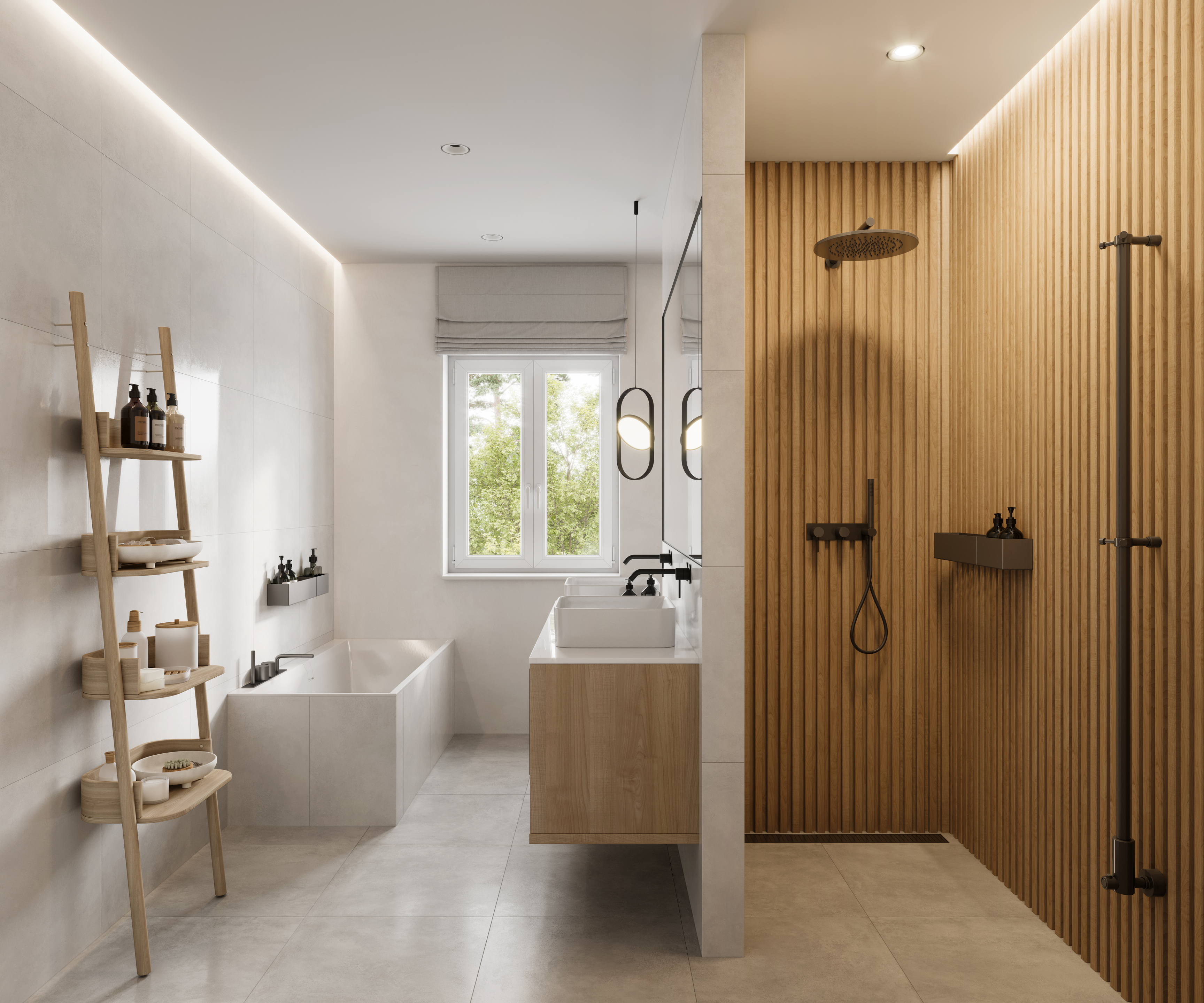
Interior of a luxurious bathroom with shower area and bathtub. Computer generated image of a large and spacious apartment bathroom.
Designing spa-like bathrooms at home involves incorporating features that enhance relaxation and luxury. Start with a soaking tub or a rain shower, which offer therapeutic benefits and a sense of indulgence. Use calming colour palettes like soft blues, greens, and neutrals to create a serene atmosphere.
Natural materials such as stone, wood, and bamboo add a touch of nature, fostering a sense of tranquillity. Incorporate elements like heated floors, plush towels, and ambient lighting to elevate the experience. Adding plants or aromatic candles can also enhance the soothing environment. By focusing on these aspects, you can transform your bathroom into the ultimate home retreat, offering a daily escape from stress.
Ideas and tips for creating spa-inspired bathrooms:
- Clear away clutter to achieve a serene, clean aesthetic.
- Infuse natural elements to evoke a spa-like ambiance.
- Use soothing colours to transform your bathroom into a tranquil spa retreat.
- Optimise storage solutions, especially in compact spaces, for a functional and clutter-free environment.
- Embrace soft textures and materials to enhance comfort and relaxation.
- Treat your bathroom fixtures as decorative accents, akin to jewellery, to elevate the overall aesthetic.
- Upgrade your shower head for a luxurious bathing experience.
- Enhance relaxation with a wooden bathtub tray for added convenience and style.
- Lay down a cedar or teak bath mat for a touch of natural luxury and comfort.
- Introduce calming scents to foster a serene atmosphere.
- Prepare your space for indulgent pampering experiences.
- Incorporate spa-like artwork and decor to enhance the ambience.
- Pay attention to your countertop's design and functionality.
- Install suitable lighting with dimmer switches to create a soothing atmosphere.
- Provide seating options for comfort and relaxation.
- Use porcelain or marble tiles to achieve a refined and spa-inspired look.
- Integrate natural wood elements for a warm and inviting spa bathroom design.
Creating a cosy reading nook involves combining comfort, functionality, and a touch of personal style. Start with comfortable seating, such as a plush armchair or a cushioned window seat, to ensure long hours of reading enjoyment. Adequate lighting is crucial; a mix of natural light during the day and a well-placed reading lamp for evenings works best.
Incorporate storage solutions like bookshelves or baskets to keep your favourite books within reach. To create a quiet and inviting atmosphere, add soft textiles like blankets and pillows, and consider soundproofing elements if needed. Personal touches, such as artwork or a small side table for a cup of tea, can also enhance the charm of your reading haven.
Elements that make a perfect reading nook:
STEP 1: FINDING THE IDEAL SPOT FOR YOUR READING HAVEN
Selecting a cosy nook begins with finding the perfect spot in your home. Look for quiet corners, near windows for natural light, or under a staircase for a snug feel.
STEP 2: PRIORITISING COMFORT WITH THE RIGHT FURNITURE
Comfort is key when furnishing your reading corner. Opt for plush armchairs or a chaise lounge that invites relaxation. Ensure cushions and throws add warmth and cosiness.
STEP 3: LIGHTING YOUR READING RETREAT
Create ambiance with soft, adjustable lighting. Choose floor or table lamps with warm bulbs to avoid harsh glare and to enhance a relaxed reading atmosphere.
STEP 4: PERSONALISING YOUR READING SANCTUARY
Add personal touches like framed artwork, favourite quotes, or a small shelf for personal items and mementos. This personalisation makes your nook uniquely yours.
STEP 5: CRAFTING A WELCOMING ATMOSPHERE
Integrate soothing elements like green plants, a small water feature, or soft music to enhance tranquillity. Consider incorporating comfortable seating and shaded areas to create a serene environment
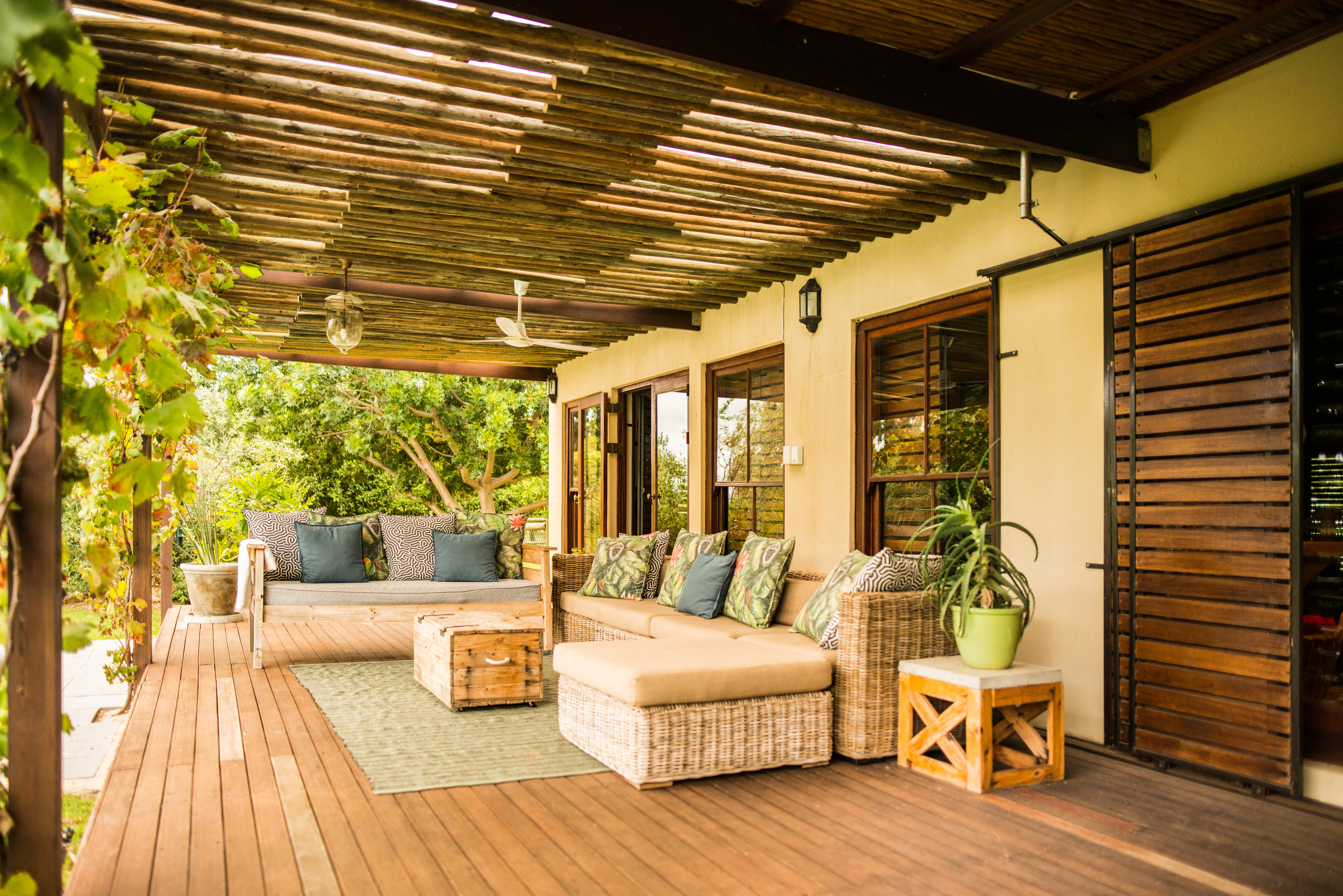
Wicker patio sofa and furniture sitting outside on a rustic wooden balcony on a sunny afternoon
Designing peaceful outdoor areas involves creating spaces that embrace nature and promote relaxation. Start with incorporating greenery, such as lush plants and vibrant flowers, to bring life and colour to gardens, patios, and decks. Adding water features like fountains or ponds can introduce a soothing sound element, enhancing tranquillity.
Comfortable seating is essential for enjoying these spaces, so consider options like cushioned chairs, hammocks, or outdoor sofas. Shaded areas, achieved through pergolas, umbrellas, or strategically placed trees, provide respite from the sun and make the space usable throughout the day. By combining these elements, you can create a serene outdoor environment perfect for unwinding and reconnecting with nature.
Creating a tranquil outdoor environment involves thoughtful design and consideration of various elements to enhance relaxation and recreation.
Here’s how incorporating greenery, water features, comfortable seating, and shaded areas can significantly contribute to creating a serene outdoor space:
- Greenery: Introducing plants not only adds visual appeal but also improves air quality and creates a calming atmosphere. Choose a mix of native plants and low-maintenance varieties to suit your climate.
- Water Features: The sound of running water from a fountain or a small pond can mask noise pollution and promote relaxation. Water features also attract birds and wildlife, adding to the natural ambiance.
- Comfortable Seating: Opt for furniture that’s inviting and conducive to lounging or socialising. Cushioned chairs, hammocks, or a cosy outdoor sofa encourage lingering and enjoying the outdoors comfortably.
- Shaded Areas: Incorporate pergolas, umbrellas, or shade sails to provide relief from the sun’s intensity. This not only protects against UV rays but also creates inviting spaces for daytime relaxation.
By integrating these elements into your outdoor design, you can transform your space into a haven for unwinding, entertaining, and enjoying nature.
Incorporating natural elements into indoor relaxation spaces brings numerous benefits, including improved air quality, enhanced mood, and a stronger connection to nature. Using plants can purify the air and add a touch of greenery, creating a calming atmosphere. Water features, like indoor fountains, introduce soothing sounds that promote relaxation.
Maximising natural light through large windows or skylights brightens spaces and boosts well-being. To seamlessly integrate these elements into home extensions, consider open floor plans that merge indoor and outdoor areas, use natural materials like wood and stone, and strategically place plants and water features. This approach not only enriches the aesthetic appeal but also creates a harmonious, inviting environment conducive to relaxation.
The benefits of using natural elements within indoor relaxation spaces:
- Introduce greenery: Incorporate plants to enhance indoor air quality, reduce stress, and create a biophilic design for relaxation.
- Opt for natural furnishings: Choose furniture crafted from materials like wood or bamboo to promote sustainability and a calming environment.
- Embrace natural light: Open windows to invite natural light, enhancing mood and connecting with the outdoors.
- Include stone accents: Add elements like stone or pebbles to ground the space and provide a soothing natural texture.
- Integrate water features: Incorporate indoor fountains or small ponds to introduce relaxing sounds and improve air quality.
- Decorate with nature-inspired themes: Use botanical prints and natural fibres in decor to evoke tranquillity and beauty.
- Enhance with natural scents: Use essential oils or natural aromas such as lavender to create a calming atmosphere and enhance relaxation.
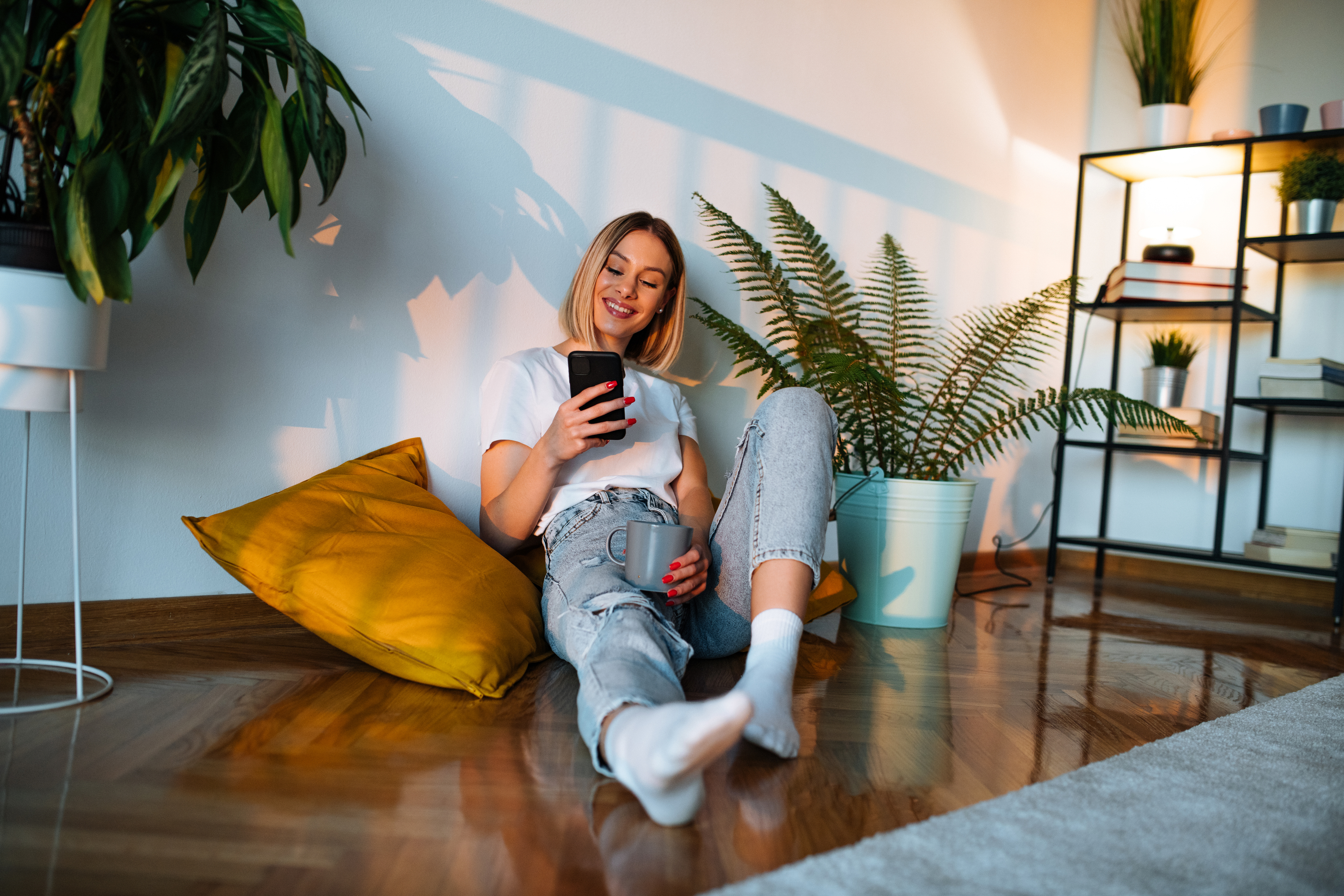
Young woman enjoying sunset at home
Transforming your Adelaide home into a tranquil retreat is a rewarding journey that enhances both comfort and well-being. By incorporating elements like natural light, greenery, and calming colour palettes, you can create serene spaces that reflect your style and needs. Smart technology and thoughtful design solutions can further elevate these areas, making them functional and inviting.
Whether it's a cosy reading nook, a spa-like bathroom, or a peaceful outdoor area, each space can become a personal sanctuary. Drawing inspiration from successful examples and following practical tips,you can achieve a harmonious balance of relaxation and beauty in your home. Embrace the process and enjoy the transformation of your Adelaide home into a haven of tranquillity.
- What is a relaxation space?
A relaxation space is a dedicated area in your home or workplace designed to promote calmness and reduce stress. It typically includes comfortable seating, soothing colours, and elements that help you unwind, such as soft lighting and calming scents. - Why is it important to have a relaxation space?
Having a relaxation space is crucial for mental and physical well-being. It provides a retreat from daily stresses, allowing you to relax and recharge. This can improve your overall health, productivity, and quality of life. - What are the key elements of a relaxation space?
Key elements include comfortable seating, soft lighting, calming colours, natural elements (like plants), and items that bring personal comfort, such as books, candles, or music. - How do I choose the right location for my relaxation space?
Choose a quiet, low-traffic area of your home or office where you can have privacy. It should be a space where you feel comfortable and away from distractions. - What colours are best for a relaxation space?
Neutral tones like beige, soft grey, and white are excellent for a relaxation space. Soft blues, greens, and pastels can also create a calming effect. Avoid bold, bright colours that can be overstimulating. - How can lighting impact my relaxation space?
Lighting plays a significant role in creating a relaxing atmosphere. Use soft, warm lighting instead of harsh, bright lights. Consider adding dimmable lights or using lamps with soft white bulbs to control the ambience. - What kind of furniture should I include?
Opt for comfortable and ergonomic furniture. A plush armchair, a cosy sofa, or a hammock can be great choices. Ensure that the seating supports relaxation and proper posture. - Are there specific scents that help create a relaxing environment?
Yes, scents like lavender, chamomile, and sandalwood are known for their calming properties. Use essential oils, scented candles, or incense to incorporate these scents into your space. - How can I incorporate nature into my relaxation space?
Add potted plants, flowers, or even a small indoor fountain. Natural elements can help reduce stress and improve air quality. Choose low-maintenance plants if you’re not keen on frequent care. - Can I create a relaxation space in a small area?
Absolutely. Even a small corner can be transformed into a relaxation space. Use multi-functional furniture, such as a foldable chair or a small table, and focus on minimalistic design to avoid clutter. - What role does sound play in a relaxation space?
Sound can greatly influence your relaxation. Consider playing soft music, nature sounds, or white noise to create a soothing environment. Noise-cancelling devices or earplugs can also help if you’re in a noisy area. - How do I maintain my relaxation space?
Keep your space tidy and free of clutter. Regularly clean and organise it to maintain a peaceful atmosphere. Refresh elements like candles and plants to keep the space inviting.
WE DELIVER OUR PROMISE
We are the experts you need to build a safe and stunning home. For more information, just fill out our form and send us a message.

Contact Us
Ph: 08 8281 6010
Address
96 Brown Tce, Salisbury, SA 5108
Business Hours
Sat - Sun
Closed
Like Us On Facebook


894216
Review Us On Google